Responsible Gambling

Gambling is not a way to earn money or a solution to money problems. Treat any money you spend as money you may lose. If gambling is affecting your finances, relationships, work or health, take action rather than waiting for it to get worse.
Signs that gambling may be becoming a problem
Look for changes you can observe, including:
- spending more time or money gambling than you intended;
- trying to win back losses, or borrowing money to keep gambling;
- hiding gambling or losses from people close to you;
- missing bills, work, appointments or other commitments because of gambling;
- feeling irritable or anxious when you cannot gamble;
- repeatedly setting limits and then breaking them;
- gambling to escape worries, or continuing despite arguments and financial harm.
One sign can be enough to act on. You do not need to wait until every part of your life is affected.
Where to turn now
If you are gambling at the moment, close the game and sign out. Then use the account controls on the casino where you gamble. UK-licensed casinos must provide responsible gambling tools, including self-exclusion. Remote operators must also provide accessible account-level financial limit controls. Use the available controls to reduce or stop access; if you cannot find them, contact the operator through its account support or complaints route and ask how to set a limit or self-exclude.
For a practical step outside your account, tell someone you trust what is happening and ask them to stay with you while you take these actions. If gambling has left you unable to meet essential costs, pause deposits and contact the people or organisations you already deal with about those costs. Do not try to recover the money by gambling again.
No independent gambling support organisation or verified contact details were available for this page. It would be unsafe to guess a name, address or number. If you feel at immediate risk of harming yourself, go to the nearest emergency department or ask someone nearby to contact emergency services.
If your concern is about an operator’s conduct, use its internal complaints process. UKGC licensees must provide one and give access to an approved Alternative Dispute Resolution (ADR) service. Ask the operator how to use its ADR route if its response does not resolve the complaint.
Account safeguards in Britain
Remote operators must prompt new customers to set a financial limit before their first deposit and make account-level limit controls accessible. UK-licensed casinos must offer self-exclusion. These tools can restrict your account, but they do not replace seeking help when gambling is affecting your life.
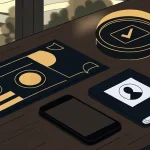
Operators must verify a customer’s age before allowing them to deposit funds. Do not gamble unless you meet the applicable legal age requirement. Operators must not rely on payment providers to conduct identity checks.
Other protections govern how gambling works: autoplay is banned for online slots, and a slot spin must last at least 2.5 seconds. The maximum total stake in an online slots game cycle is £2 for an individual under 25 and £5 for an individual aged 25 or older. At least 2.5 seconds must pass from the start of one game cycle before the next can begin. Credit cards cannot be used for gambling, including through a money service business; wallets that allow credit-card funds to be used for gambling are also prohibited.
These rules set boundaries for operators. They do not make gambling a source of income or remove the need to stop when it is causing harm.